


Professional Masonry Cleaning Methods: Expert Tips for Lasting Results
- zeyd80
- Mar 8
- 4 min read
Maintaining the appearance and integrity of masonry surfaces is essential for any property. Over time, dirt, grime, moss, and pollutants accumulate on brick, stone, and concrete, diminishing curb appeal and potentially causing damage. I have found that professional masonry cleaning methods not only restore the original look but also extend the lifespan of these surfaces. In this post, I will share practical tips and insights to help you understand the best approaches to cleaning masonry effectively and safely.
Understanding Different Masonry Cleaning Methods
There are several masonry cleaning methods available, each suited to specific types of surfaces and levels of dirt buildup. Choosing the right method is crucial to avoid damage and achieve the best results. Here are some common techniques:
Pressure Washing: This method uses high-pressure water to remove dirt and stains. It is effective for durable surfaces like concrete and some types of brick. However, excessive pressure can erode mortar joints or damage softer stone, so it must be used carefully.
Chemical Cleaning: Specialized cleaning agents break down stains such as efflorescence, rust, or biological growth. These chemicals are applied and then rinsed off. It is important to select products compatible with the masonry type and to follow safety guidelines.
Abrasive Blasting: Techniques like sandblasting or soda blasting physically remove surface contaminants. This method is aggressive and should only be performed by professionals to prevent surface damage.
Steam Cleaning: Using hot steam to loosen dirt and kill mold or algae, this method is gentle and environmentally friendly. It works well on delicate stone surfaces.
Hand Cleaning: For small areas or delicate features, manual scrubbing with brushes and mild detergents can be effective.
Each method has its place depending on the condition and material of the masonry. Combining methods may sometimes be necessary for thorough cleaning.

Choosing the Right Masonry Cleaning Methods for Your Property
Selecting the appropriate cleaning method depends on several factors:
Type of Masonry Material
Different materials respond differently to cleaning techniques. For example, limestone and sandstone are softer and require gentler methods like steam cleaning or low-pressure washing. Harder materials like concrete and fired brick can tolerate more aggressive approaches.
Extent and Type of Stains
Surface dirt and dust can often be removed with water and mild detergents. Biological growth such as moss or algae may require chemical treatments or steam cleaning. Rust stains or paint residues might need specialized chemical cleaners.
Age and Condition of Masonry
Older masonry with weakened mortar joints or cracks should be cleaned gently to avoid further damage. Newer, well-maintained surfaces can handle more intensive cleaning.
Environmental Considerations
Using eco-friendly cleaning agents and methods that minimize water runoff is important, especially in residential areas.
Safety and Regulations
Some chemicals and methods require permits or adherence to local regulations. Hiring professionals ensures compliance and safety.
By assessing these factors, you can determine the best approach to maintain your masonry surfaces effectively.
What is the Best Way to Clean Masonry?
The best way to clean masonry balances effectiveness with preservation. Based on my experience, here are the steps I recommend:
Start with a Visual Inspection
Identify the type of masonry, condition, and types of stains. This helps in selecting the right cleaning method.
Test a Small Area First
Before full-scale cleaning, test your chosen method on a small, inconspicuous area. This prevents unexpected damage.
Use the Least Aggressive Method First
Begin with gentle cleaning like low-pressure washing or hand scrubbing. If stains persist, escalate to stronger methods.
Apply Appropriate Cleaning Agents
Use masonry-specific cleaners for stubborn stains. Follow manufacturer instructions carefully.
Rinse Thoroughly
After cleaning, rinse the surface well to remove residues that could cause damage or attract dirt.
Allow Proper Drying
Ensure the masonry dries completely to prevent moisture-related issues.
Schedule Regular Maintenance
Regular cleaning prevents buildup and reduces the need for harsh treatments.
If you are unsure or dealing with extensive staining, it is wise to consult or hire masonry cleaning services to ensure the job is done correctly.
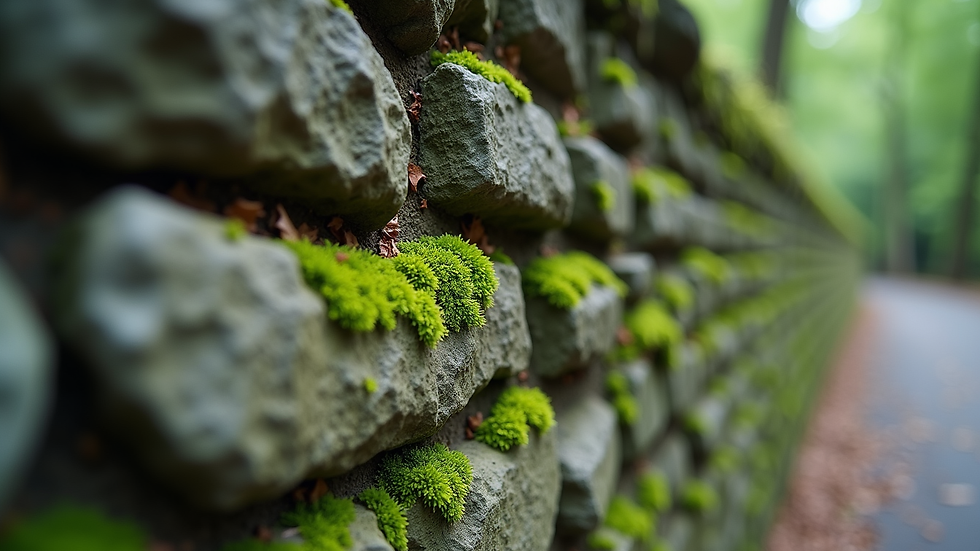
Tips for Maintaining Clean Masonry Surfaces
Cleaning masonry is not a one-time task. Proper maintenance helps keep surfaces looking their best and prevents costly repairs. Here are some practical tips:
Control Moisture
Moisture encourages mold, algae, and efflorescence. Ensure gutters and downspouts direct water away from masonry. Repair leaks promptly.
Remove Vegetation
Plants growing near or on masonry can cause damage. Trim back vines and remove moss regularly.
Avoid Harsh Chemicals
Household cleaners or bleach can harm masonry. Use products designed for masonry surfaces.
Protect with Sealants
Applying breathable sealants can reduce water absorption and staining. Choose sealants suitable for your masonry type.
Inspect Annually
Check for cracks, loose mortar, or stains. Early detection allows for timely repairs.
Use Gentle Cleaning for Routine Maintenance
Periodic rinsing with water or mild detergent prevents buildup.
By following these tips, you can extend the life and appearance of your masonry surfaces.
When to Call Professionals for Masonry Cleaning
While some cleaning tasks can be handled by property owners, certain situations require professional expertise:
Extensive Staining or Damage
Large areas with stubborn stains or deteriorated masonry need specialized equipment and knowledge.
Historic or Delicate Masonry
Older buildings require careful cleaning to preserve original materials.
Use of Chemicals or Abrasive Methods
Professionals know how to apply treatments safely and effectively.
Time and Equipment Constraints
Professional services save time and ensure thorough cleaning.
Hiring experts like Parging Pros ensures your masonry is cleaned using the best methods tailored to your property. Their experience in the Greater Toronto Area means they understand local conditions and regulations.
Protecting Your Investment with Proper Masonry Care
Masonry surfaces are a significant investment in your property’s value and appearance. Proper cleaning and maintenance protect this investment by:
Preventing moisture damage and structural issues
Enhancing curb appeal and property value
Reducing the need for costly repairs or replacements
Preserving historic or architectural features
By applying the right masonry cleaning methods and maintaining your surfaces regularly, you ensure they remain strong and attractive for years to come.
If you want expert help, consider reaching out to masonry cleaning services that specialize in concrete and masonry repair in the Greater Toronto Area. Their professional approach will safeguard your home or building while enhancing its beauty.
Taking care of masonry surfaces requires knowledge, the right tools, and consistent effort. With these tips and insights, you can confidently approach masonry cleaning and maintenance to keep your property looking its best.


Comments